The Germ: The G.I. Joe “Pandemic Episode” That Feels Like COVID Trauma in Cartoon Form
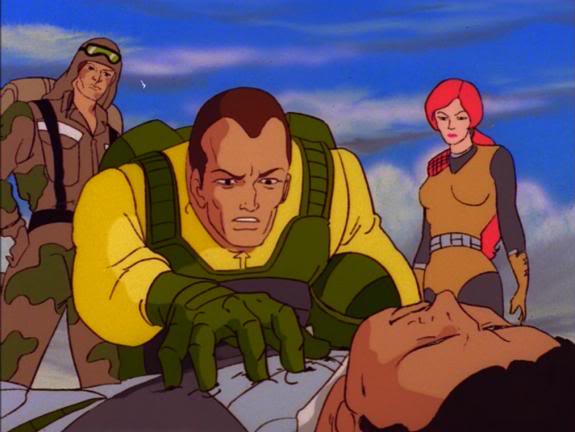
Rewatching “The Germ” as an adult in 2026 is a trip, because it lands less like a monster-of-the-week episode and more like a messy, anxious snapshot of everything modern adults associate with outbreaks: lab security, containment failure, misinformation panic, and the fear that you’re one bad decision away from a chain reaction you can’t stop.
Originally airing October 23, 1985, “The Germ” is (depending on the guide you follow) Season 1, Episode 38 in the broadcast order.
A simple Cobra theft becomes a global “oh no”
The setup is classic Cobra stupidity with real-world consequences: Cobra steals a dangerous bacteria and an experimental growth serum, and the combo spirals into a living, expanding biological nightmare—basically a rampaging germ monster consuming everything in its path.
As a kid, it’s just a cool “giant blob” episode.
As an adult, it feels like the show accidentally wandered into biosecurity horror: the moment a pathogen leaves a controlled environment, you’re no longer in an action story—you’re in a math problem where every minute matters.
Why it screams “COVID” to adult fans now
Let’s be honest: post-2020, the word germ doesn’t hit the same way anymore. COVID didn’t look like a green slime monster rolling down the highway… but the emotional beats rhyme:
- Where did it come from?
- Who mishandled it?
- Can we contain it before it spreads?
- Will people believe the warnings—or ignore them?
“The Germ” taps into that same fear of invisible danger turning into visible disaster, and it’s why so many adult fans rewatch it with that uncomfortable “this is too close” feeling.
The “government germ warfare” vibe (and why it’s the episode’s real subtext)
Here’s where the episode feels extra relevant in 2026: this is one of those stories where “the germ” starts as a controlled research asset—something that should never be in the hands of criminals.
That’s the grown-up nightmare at the center of almost every bioweapon thriller: not that science exists, but that control systems fail—the breach is human, political, or financial.
And in real life, the world has tried to draw a bright line around this for decades. The Biological Weapons Convention prohibits the development, production, stockpiling, and use of biological and toxin weapons.
So when Cobra grabs dangerous material in “The Germ,” it hits an adult nerve: the vulnerability isn’t just the germ… it’s the pipeline. The security. The oversight. The humans who get comfortable.
The episode’s weirdly brilliant “cure” moment: apples and the realism of desperation
One of the reasons “The Germ” stays memorable is that the Joes end up using an almost laughable solution: they lure the creature toward an apple orchard because apple seeds contain toxic compounds, and the orchard becomes a weapon.
Is it scientifically perfect? Not really.
But it does mirror something very real about crisis response: you don’t always get the perfect tool—sometimes you get the best tool you can improvise right now.
That’s an adult theme hiding inside the cartoon logic: in a true emergency, the world runs on duct tape, quick thinking, and decisions you pray are “good enough.”
The “fake vaccines” angle: the real villain is poisoned trust
Now let’s talk about the part your adult brain brings into this episode whether it’s on-screen or not: fake cures and fake solutions.
During COVID, one of the biggest secondary crises was the war over trust—trust in institutions, trust in medicine, trust in each other. And while legitimate COVID vaccines were rigorously tested and then continuously monitored for safety by regulators and health agencies worldwide, misinformation still spread like wildfire.
Even worse, “fake vaccines” weren’t just a rumor—criminal networks actually tried to sell falsified medical products, and global agencies warned about counterfeit shots and scams targeting the public.
Why this one sticks with adult fans in 2026
“The Germ” isn’t remembered because it’s subtle—it isn’t. It’s remembered because it’s raw anxiety in cartoon form:
- science without safeguards
- villains chasing leverage
- containment racing against chaos
- and a public that would absolutely panic if this happened for real
In 1985, it was a wild sci-fi Saturday story.
In 2026, it plays like a reminder: the scariest outbreaks aren’t just about the germ—they’re about what people do when fear spreads faster than facts.